Control.
Engineers stay in charge of AI-assisted and human-written RTL decisions.
Sigasi helps ASIC and FPGA teams in industrial automation validate, understand, document, and review RTL in full project context, whether it is written by engineers, generated by HLS, supplied as IP, or produced by AI. SystemVerilog, Verilog, VHDL, and mixed-language projects are analyzed locally at interactive speed, across the large codebases machine builders carry through many product generations and hardware revisions. Sigasi’s semantic analysis stays on your own infrastructure.
SystemVerilog · Verilog · VHDL · Mixed-language · AI-assisted or human-written RTL · Analyzed locally, on your own infrastructure
Engineers stay in charge of AI-assisted and human-written RTL decisions.

Teams understand project context, dependencies and design impact faster.
Technical leads apply coding rules and project-specific engineering discipline.

Developers catch issues earlier and reduce avoidable downstream friction.

RTL reaches review and integration in a more inspectable, maintainable state.
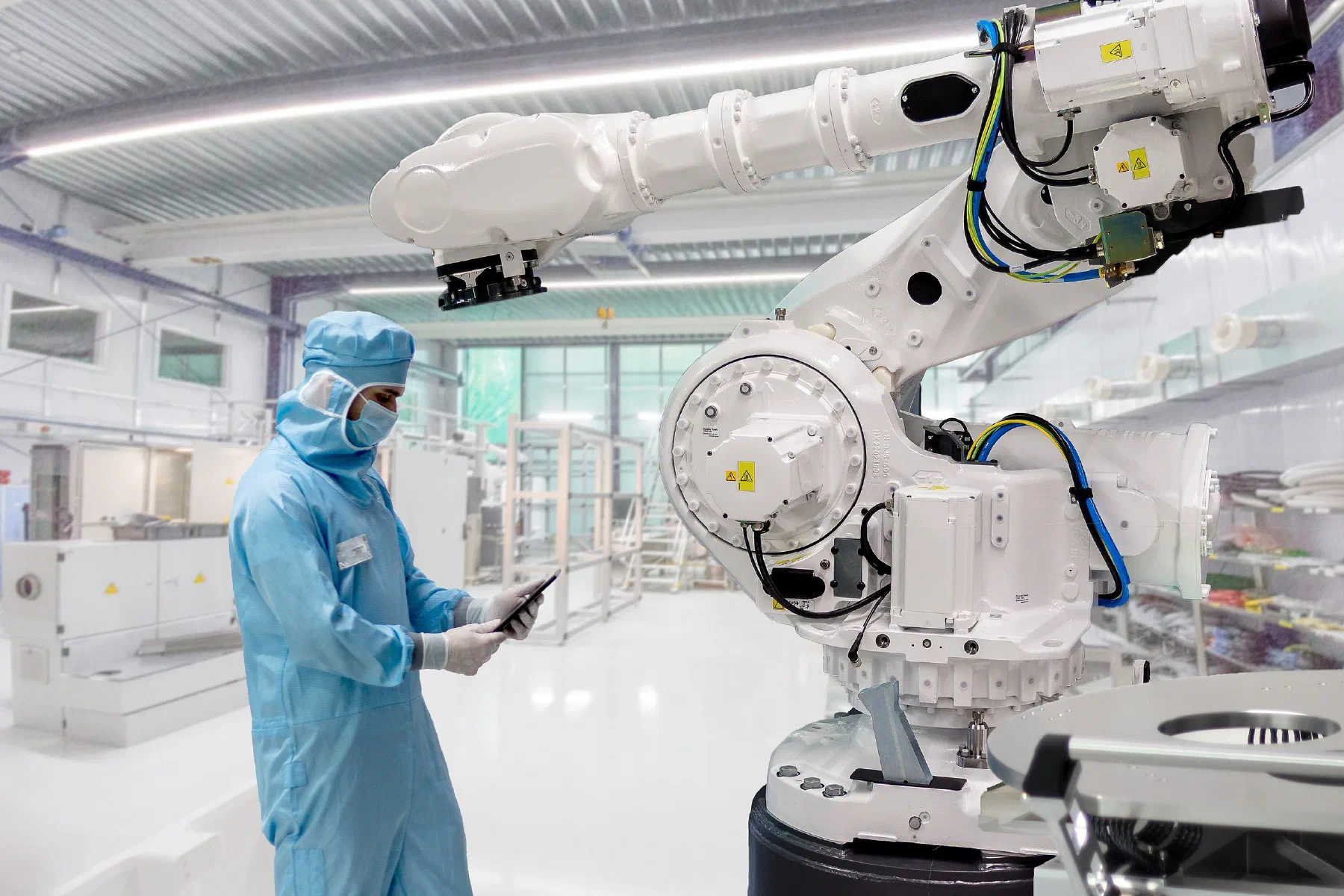
A revised sensor interface, another motion axis, or a new machine variant can affect much more RTL than the initial task suggests. Industrial hardware teams must understand those relationships while developing equipment that measures, communicates, and acts in the physical world.
Semiconductor suppliers identify programmable logic applications across motor control, sensor processing, machine vision, and industrial connectivity. The wider system also includes processors, analog circuitry, and power devices. Sigasi’s role is specific: helping the engineers who develop and verify the RTL inside that system.
An industrial design may combine reusable control logic, vendor IP, board-specific wrappers, and several product configurations. The open file tells only part of the story.
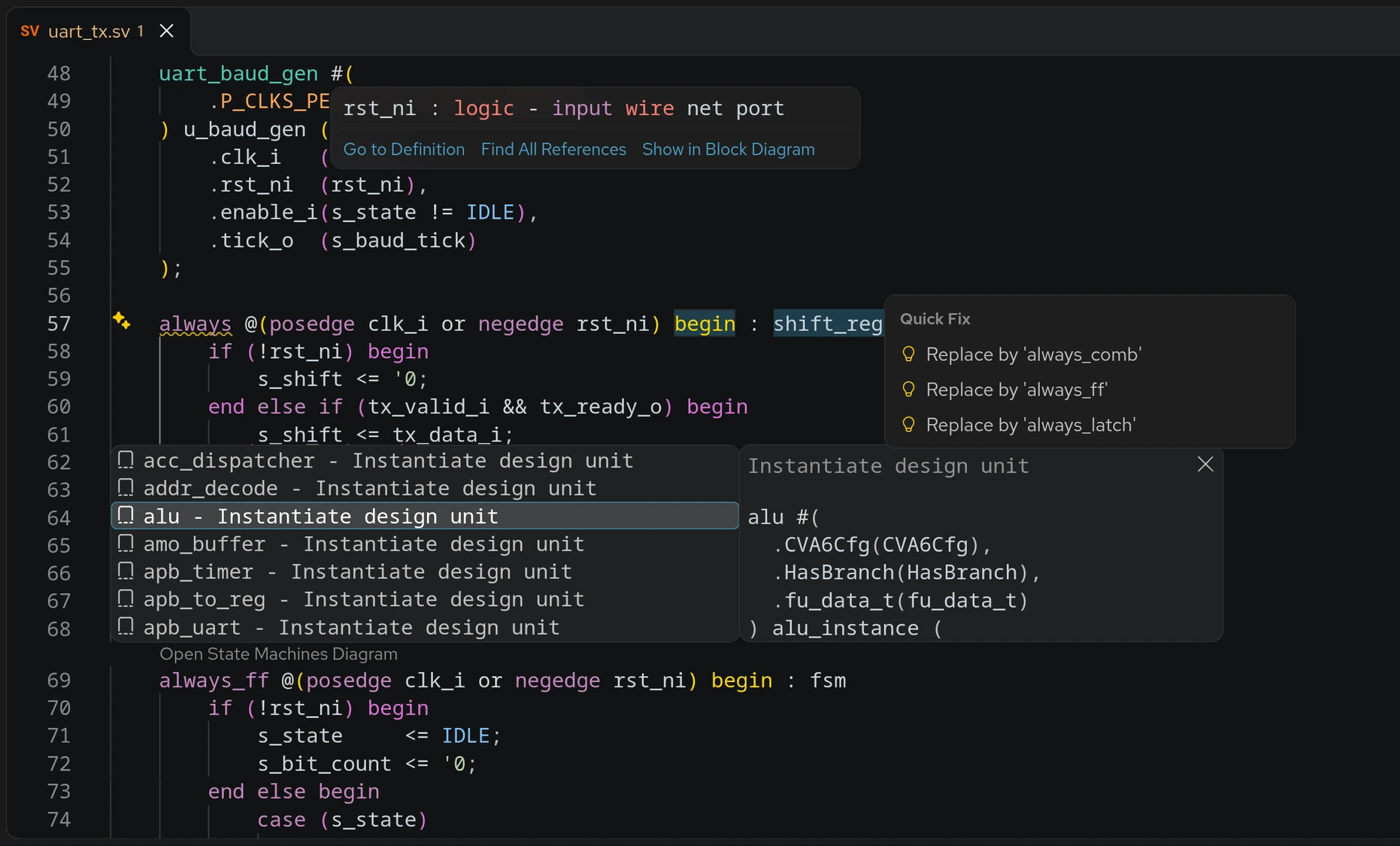
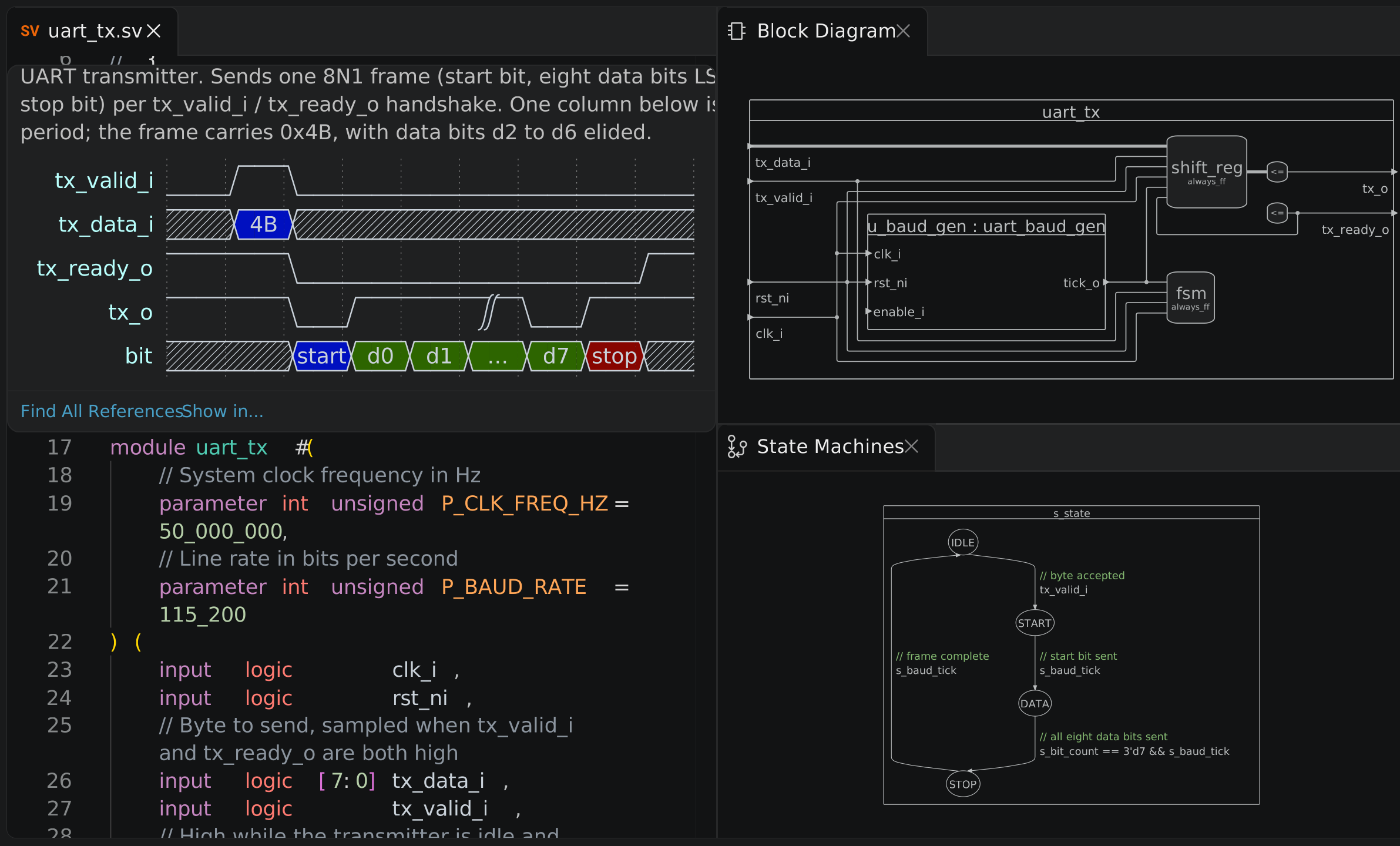
Sigasi brings deterministic semantic analysis into the workspace for SystemVerilog, Verilog, and VHDL. Reference navigation and contextual information help engineers investigate declarations and their use. Source-linked block diagrams provide another route into the structure of an unfamiliar design. Modular Projects make targets and dependencies explicit. That gives an engineer or reviewer a practical starting point for identifying the configuration under discussion, whether the task concerns a new board, a simulation model, or an established product variant.
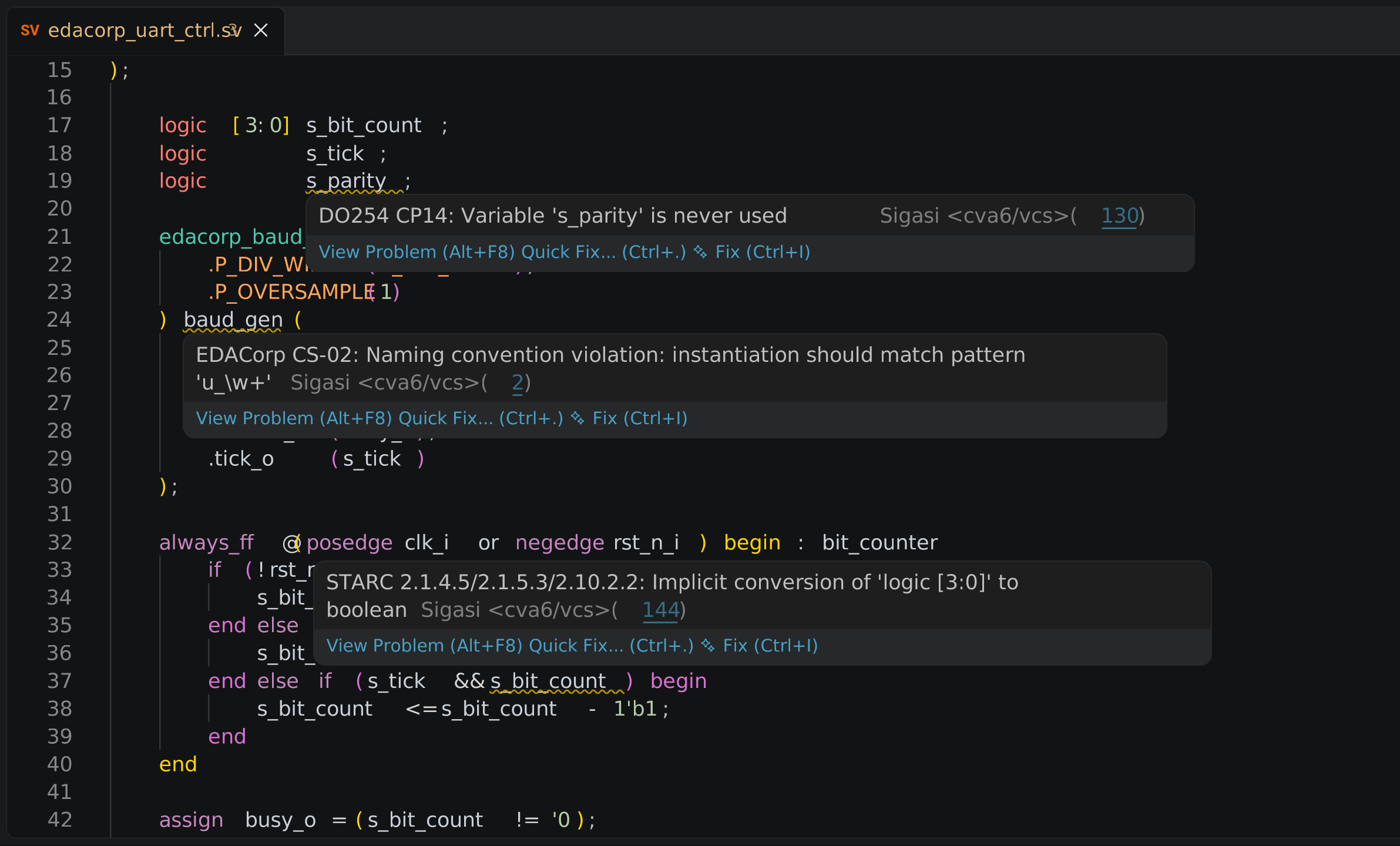
Suppose a sensor interface gains a wider measurement field. The acquisition block changes, but a downstream wrapper and testbench retain earlier assumptions. Sigasi’s supported language checks and configurable lint rules can help expose source inconsistencies while the engineer still has the change in mind. The next step remains engineering judgment. A finding may indicate incorrect RTL or an incomplete project setup. Navigation into the relevant declarations helps establish which correction is needed before the issue reaches another integration task.
Deterministic source analysis and real-time machine control address different questions. A clean analysis result does not establish control-loop stability, timing closure, machine safety, or correct behavior under every operating condition. Simulation, appropriate formal and implementation checks, and system testing provide the evidence those questions require.
Sigasi helps engineers prepare and inspect the source entering that work. Licensed CLI workflows can repeat source checks in automation. Approved AI agents can use Sigasi’s MCP integration for project-aware feedback inside the running extension, with engineers reviewing what advances.
Source-derived documentation helps preserve implementation context as products evolve. Exported documentation should be regenerated, and explanatory comments reviewed, when the relevant source changes. Specialized machine builders face these everyday development tasks too. In Sigasi’s published Zimmer story, Hardware Development Manager Christian Nagele described Visual HDL as making programming easier and a good investment. His feedback offers a concrete customer perspective without claiming a measured reduction in delivery time.
Request the industrial whitepaper for detailed workflows covering sensing, motion control, machine vision, product variants, verification, and AI-assisted RTL development. Then discuss your industrial hardware project with Sigasi.
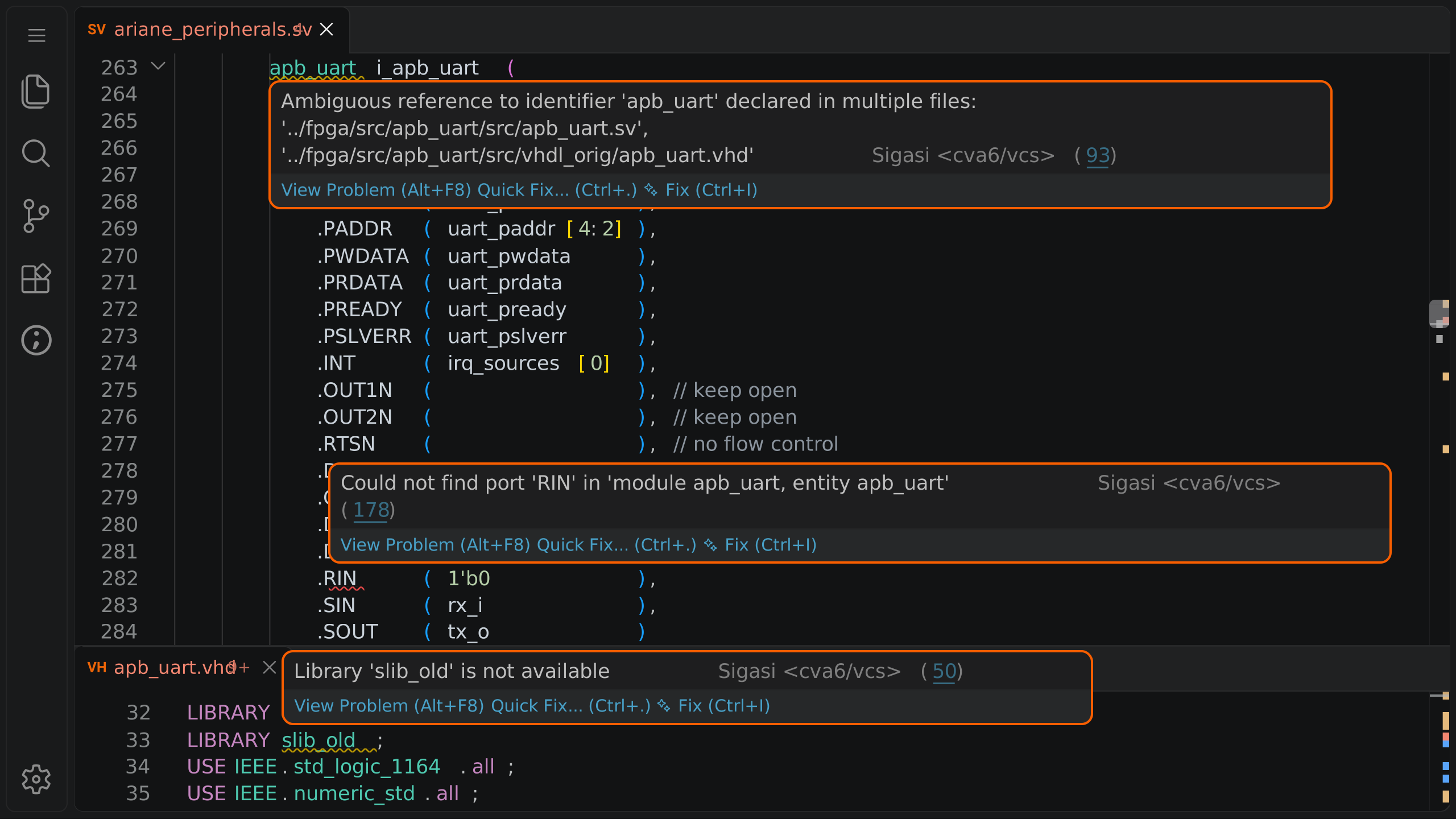
Sigasi parses the full project, not the open file: hierarchy, types, scopes, dependencies, interfaces and references across SystemVerilog, Verilog and VHDL. That model is what makes a review of supplier, legacy or AI-generated RTL an inspection rather than a reading exercise.
Compile at coding speed, so problems surface in the second they are written rather than at integration.
Fewer iterations, less wasted AI tokens, less review late in a program when work is most expensive.
RTL checked against your real project whether you or an AI agent wrote the code. You decide what moves forward based on facts, not hope.
12 weeks
16 weeks
10 weeks
6 weeks (-50%)
12 weeks (-25%)
10 weeks (no impact)
Five short recordings of the product doing the work described above. No sign-up.
View all screencasts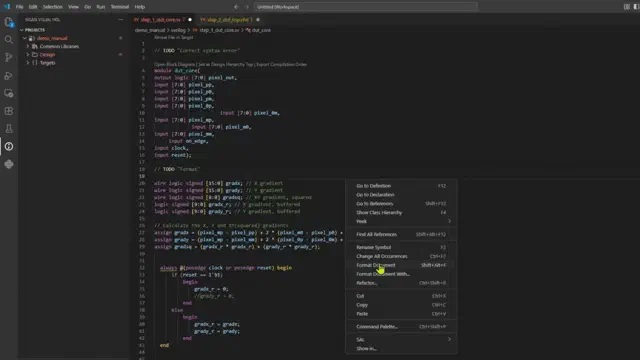 Incremental real-time compiler
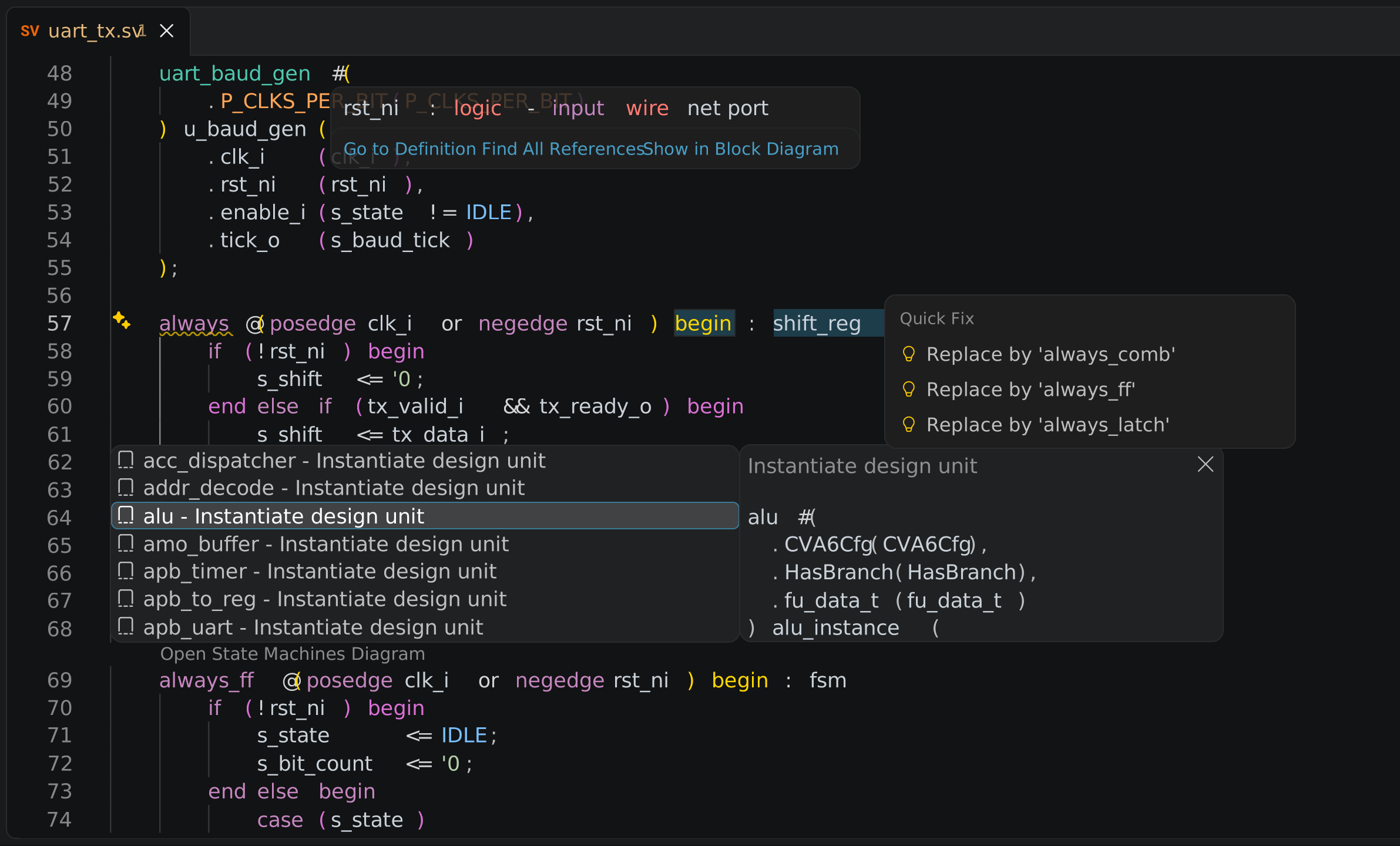
Context-aware feedback, linting and completion as you type
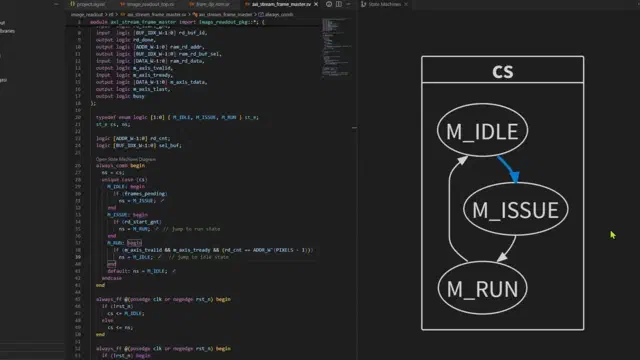 Interactive visual design creator
Block and state machine diagrams generated while you type
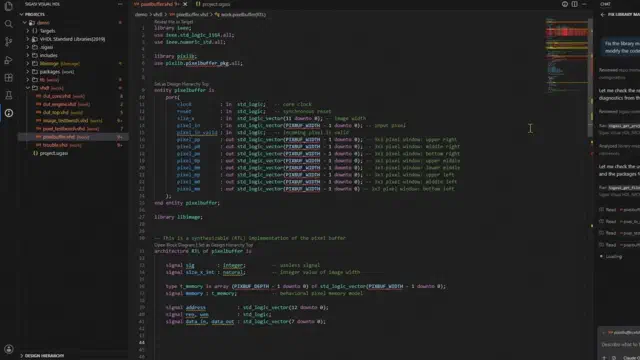 Dependency analysis
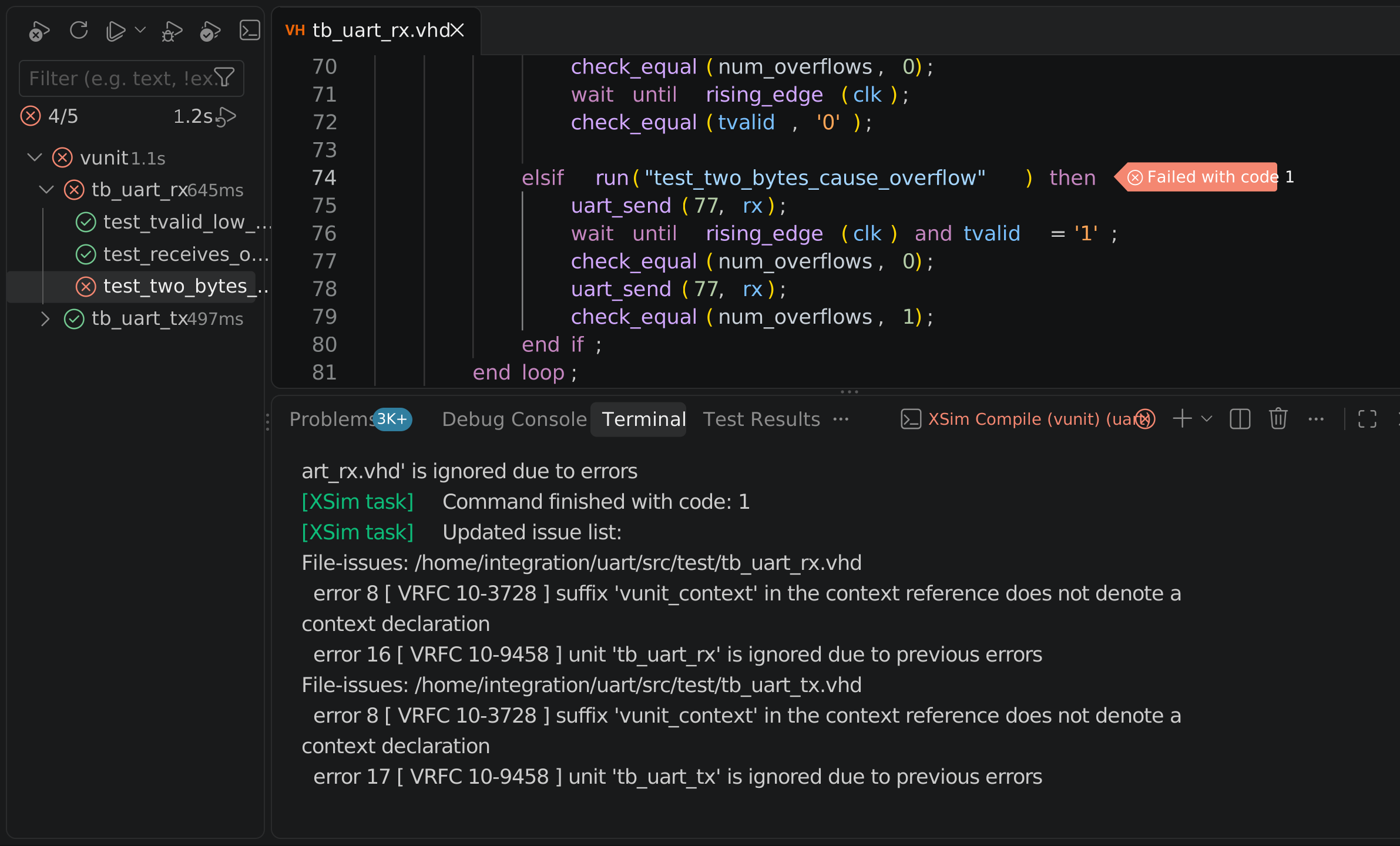
Spot missing mappings and broken includes across supplier and legacy code
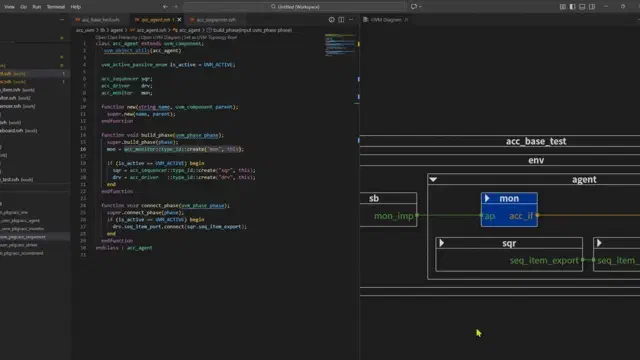 Verification accelerator
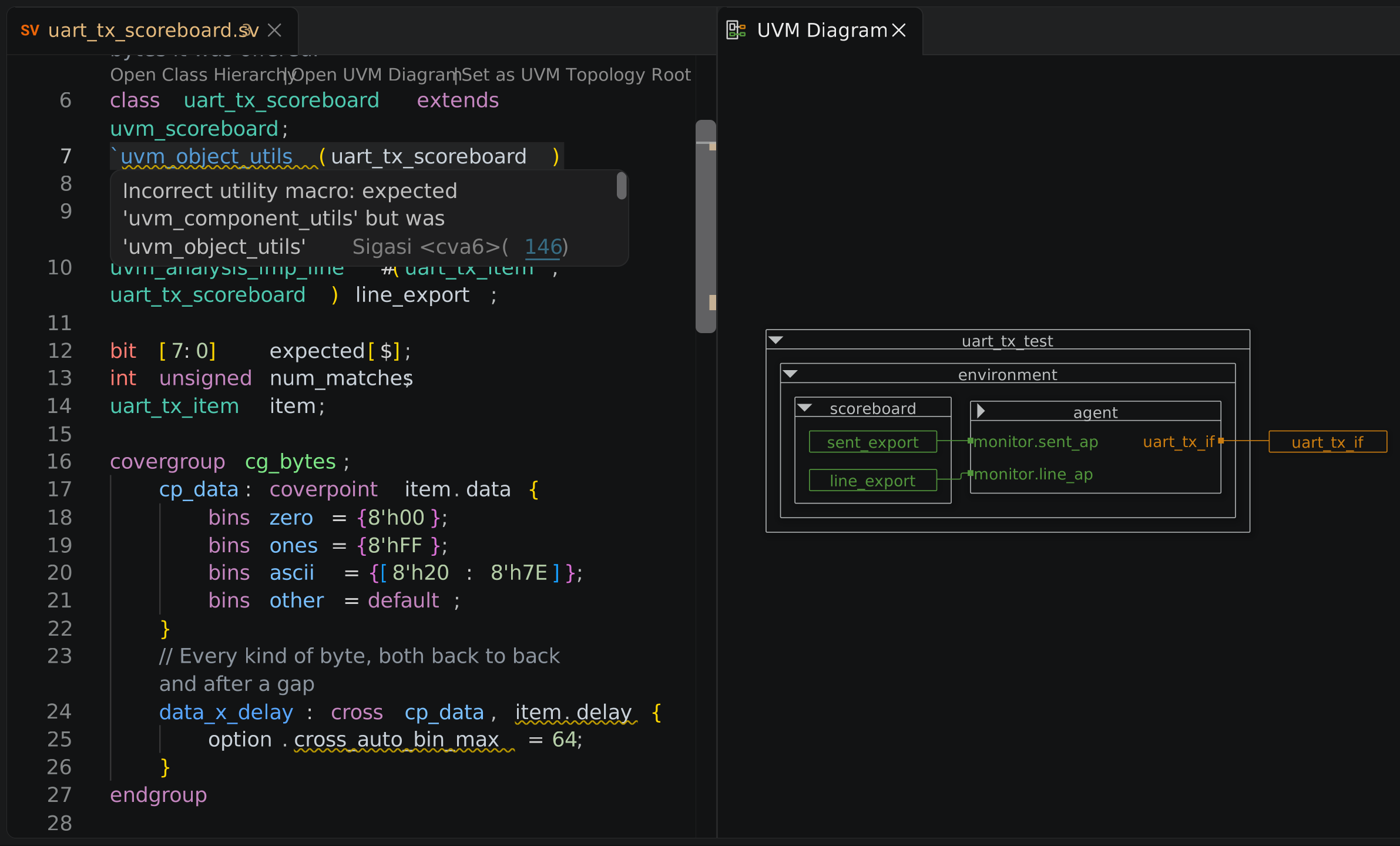
Debug UVM, UVVM, OSVVM, VUnit and Cocotb faster
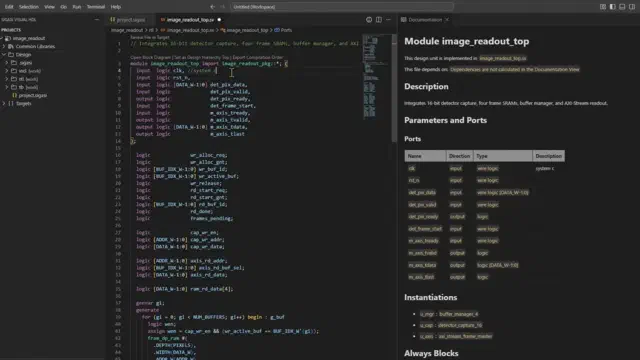 Up-to-date documentation
Documentation generated from the design, ready for review packages
Evaluate Sigasi on a representative ASIC or FPGA project, on your own infrastructure.